The social impact of gambling exploring community dynamics and individual behavior
Understanding Community Dynamics
The social impact of gambling extends far beyond individual experiences, deeply influencing community dynamics. In areas where gambling is prevalent, local economies often see a boost due to increased tourism and entertainment options. This influx can enhance local businesses, such as restaurants and hotels, creating a symbiotic relationship between gambling establishments and the community. For those looking to unwind with leisure activities, online casinos can provide alternative forms of entertainment. However, this economic benefit can come at a cost, leading to disparities in wealth distribution and social tension.
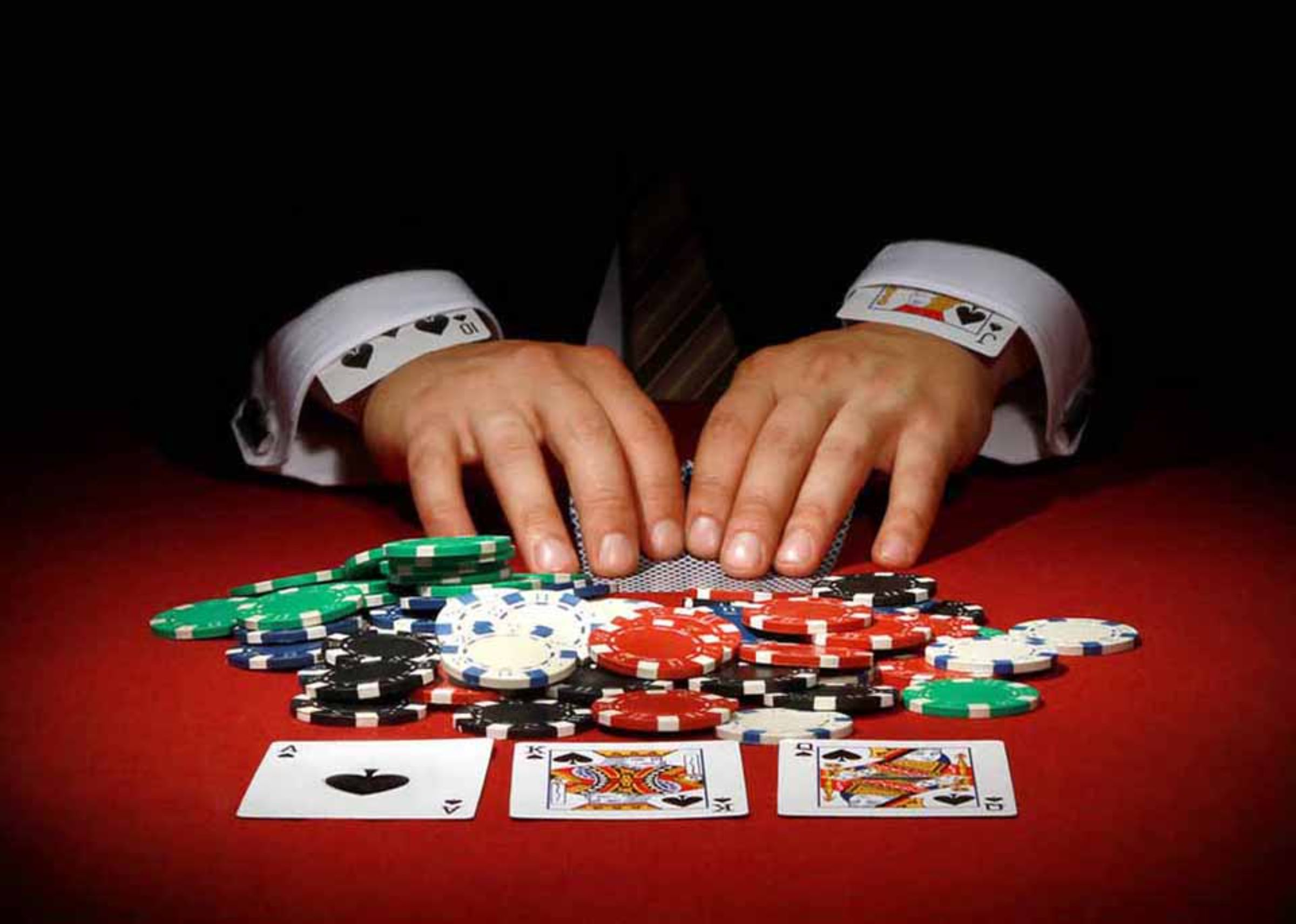
Communities that embrace gambling may also face challenges, including increased crime rates and social disruption. As gambling becomes a primary entertainment source, it can overshadow traditional community activities and values. This shift in focus can lead to a decline in community engagement, fostering a sense of isolation among residents who may not participate in gambling-related activities.
Individual Behavior Patterns
On an individual level, gambling can significantly affect behavior and mental health. For many, it serves as an escape or a form of thrill-seeking, providing temporary relief from stress or boredom. However, this pursuit can quickly turn destructive. Compulsive gambling can lead to a host of issues, including financial ruin, strained relationships, and emotional distress.
The psychological aspects of gambling also play a crucial role in individual behavior. Cognitive biases, such as the illusion of control and gamblers’ fallacy, can distort perceptions, making individuals more prone to risky bets. Understanding these patterns is essential for addressing the negative impacts of gambling on individuals and the wider community.
The Role of Regulation and Support Systems
Effective regulation is key to mitigating the adverse effects of gambling. Communities often rely on legislation to manage the industry, aiming to protect vulnerable populations while still reaping economic benefits. Responsible gambling initiatives and support systems, such as counseling services and hotlines, are crucial in helping individuals who may struggle with gambling addiction.
Moreover, education plays an essential role in raising awareness about the risks associated with gambling. Programs aimed at informing the public, particularly youth, can foster a more cautious approach to gambling activities. This proactive stance can significantly impact community health, promoting safer and more responsible gambling behaviors.
Case Studies of Gambling Impacts
Various case studies illustrate the multifaceted impact of gambling on communities and individuals. For instance, cities that have legalized casinos often report both economic growth and increased social challenges. In some areas, the initial economic boost can be overshadowed by rising rates of addiction and crime, leading to community backlash against gambling establishments.
Conversely, some communities have successfully integrated responsible gambling practices, resulting in minimal negative social impact. These examples serve as valuable lessons, highlighting the importance of comprehensive strategies that prioritize community well-being alongside economic interests.

Your Resource for Understanding Gambling Dynamics
Our website is dedicated to exploring the nuanced aspects of gambling’s social impact, focusing on both community dynamics and individual behavior. We aim to provide insightful resources that facilitate a deeper understanding of the complexities surrounding gambling. By fostering informed discussions, we hope to support communities in navigating the challenges posed by gambling.
We invite you to engage with our content as we delve into this vital topic, offering perspectives that can help shape better policies and individual choices. Together, we can work towards a balanced approach to gambling that benefits both individuals and the community at large.


